Get in touch: 01994 241 157
info@printedchocolates.co.uk

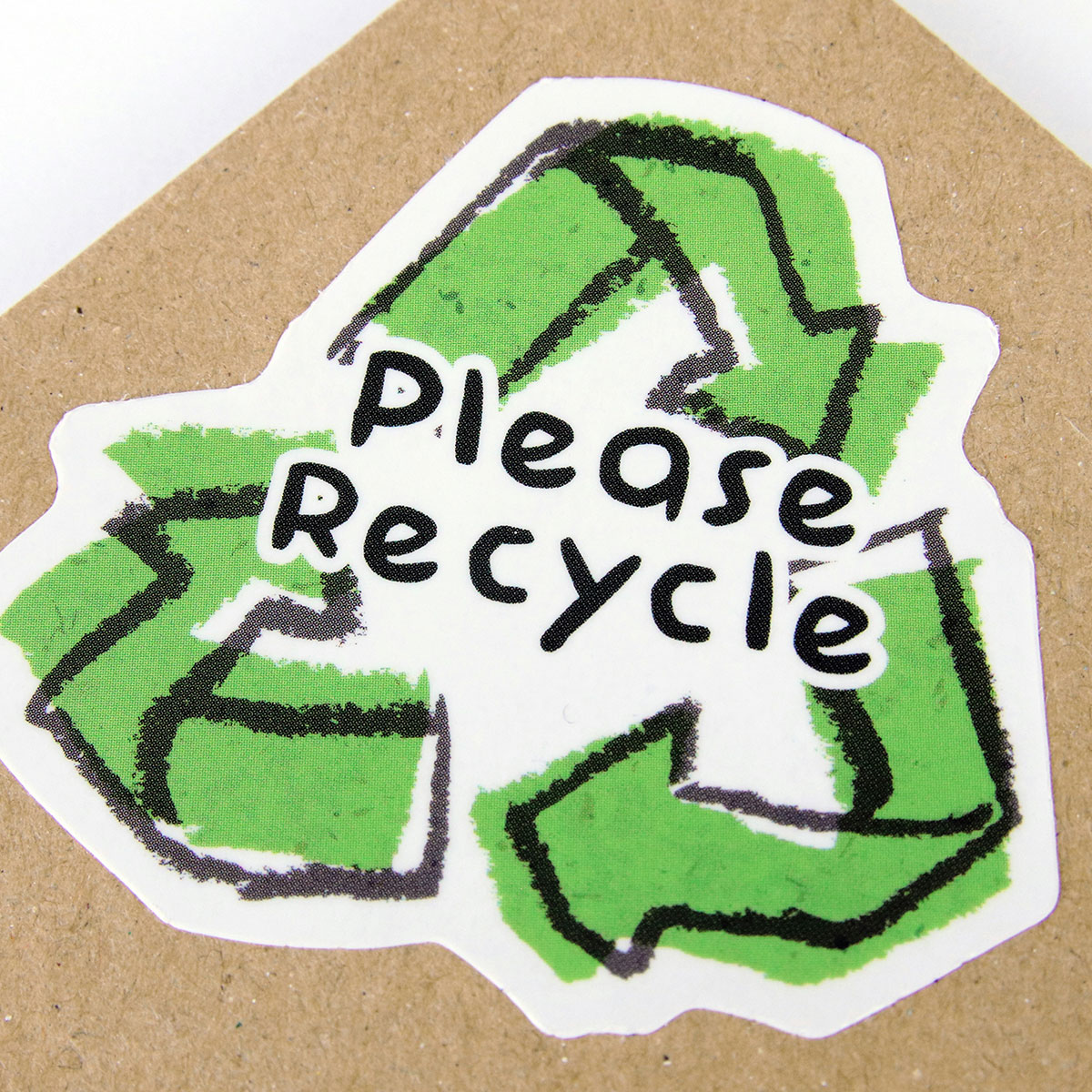
Why Recyclable Packaging Is the Smarter Choice for Domestic Customers

When your products reach domestic customers, convenience and clarity matter. Recyclable packaging is widely accepted through curbside recycling programs, making it far easier for households to dispose of responsibly. In contrast, compostable packaging often requires industrial composting facilities—not something most households (And your customers) have access to.

By choosing recyclable packaging, you’re not only supporting sustainability—you’re also aligning with real-world disposal habits. This reduces the risk of packaging ending up in landfill due to confusion or lack of access to composting. It’s a practical, trusted solution that ensures your brand is both eco-conscious and customer-friendly.


Recyclable Packaging vs Biodegradable Packaging

recyclable

Recyclable Packaging

Purpose: Designed to be processed and reused in manufacturing new products.

Requires Infrastructure: Needs proper recycling facilities and public participation to be effective.

Common Materials: Paper, cardboard, certain plastics (like PET, HDPE), glass, and metals.

Environmental Impact: Reduces waste and conserves raw materials when properly recycled.

End of Life: Can be reused multiple times, minimizing the need for virgin materials.

Limitations: Contamination (e.g., food residue) can render recyclable items non-recyclable. (Not applicable to printed chocolates, unless melted in the bag.

Carbon Footprint: Lower over time if recycled properly, but initial processing can be energy-intensive.

Biodegradable Packaging

Purpose: Breaks down naturally through microbial activity into water, carbon dioxide, and biomass.

Decomposition Time: Varies widely—from weeks to years—depending on the material and environment.

Common Materials: Plant-based plastics (PLA), cornstarch, paper, and some biopolymers.

Environmental Impact: Intended to reduce litter and landfill buildup, especially where recycling isn't available.

Compostability: Not all biodegradable packaging is compostable; industrial composting is generally required.

Greenwashing Risk: "Biodegradable" labels can be misleading without certifications (e.g., EN13432, ASTM D6400).

Limitations: May release methane if decomposing in anaerobic landfill conditions

Feature

Recyclable

Biodegradable

End Goal
Material recovery & reuse
Natural breakdown into organic matter
Infrastructure Needed
Recycling facilities
Composting (often industrial – which most end users do not have access too)
Breakdown Time
Varies – depends on recycling loop
Varies – faster in ideal conditions and not in general waste or recycling.
Environmental Benefit
Reduces raw material use
Reduces landfill waste (if composted or truly compostable)
Challenges
Contamination, lack of recycling
Mislabeling, landfill conditions
© 2023 Printed Chocolates Limited. All rights reserved.
[sibwp_form id=1]